
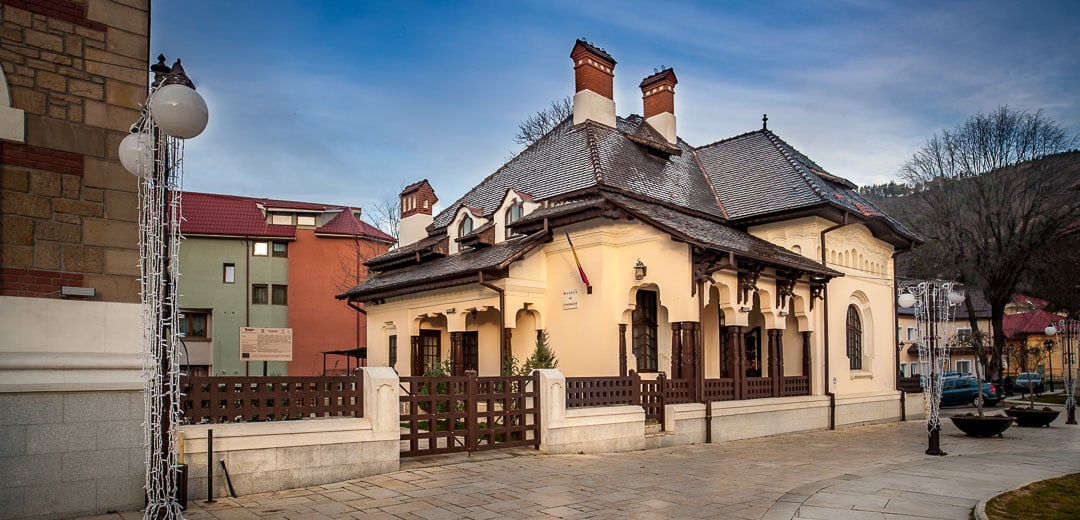
Ethnography Museum
A place devoted to the traditional culture and authentic crafts of the Neamț area. The Ethnography Museum takes you into the village life of old Romania, through objects, costumes, symbols and stories that have been carefully preserved.
About the museum
The ethnography collection began to take shape in the mid-20th century, following research by a team led by Romulus Vuia when the Bicaz dam was being built. The museum officially opened in 1980, in a building that perfectly reflects the spirit of folk tradition.
What you can see:
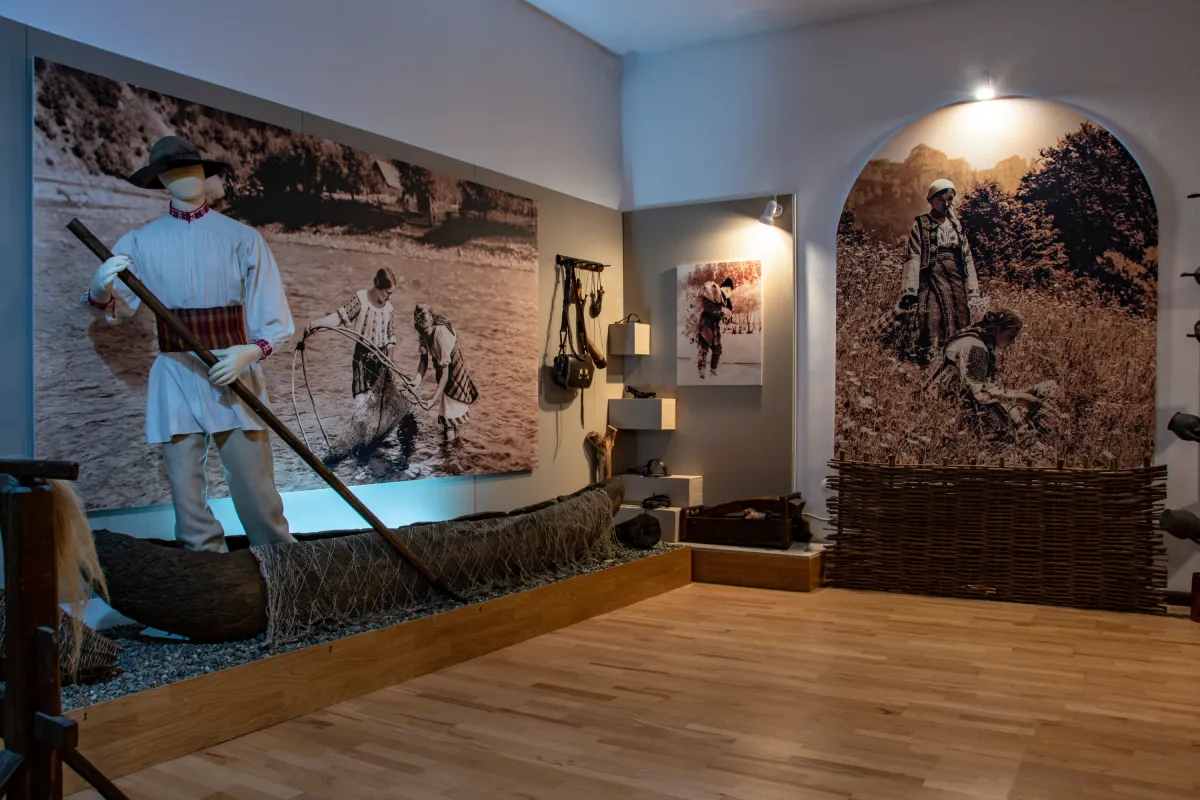
- Folk costume from the Bistrița Valley
- Traditional pottery and textiles
- Household tools and objects
- Folk Craftsmen's Fair (yearly)
- Photo gallery and virtual tour
The museum building
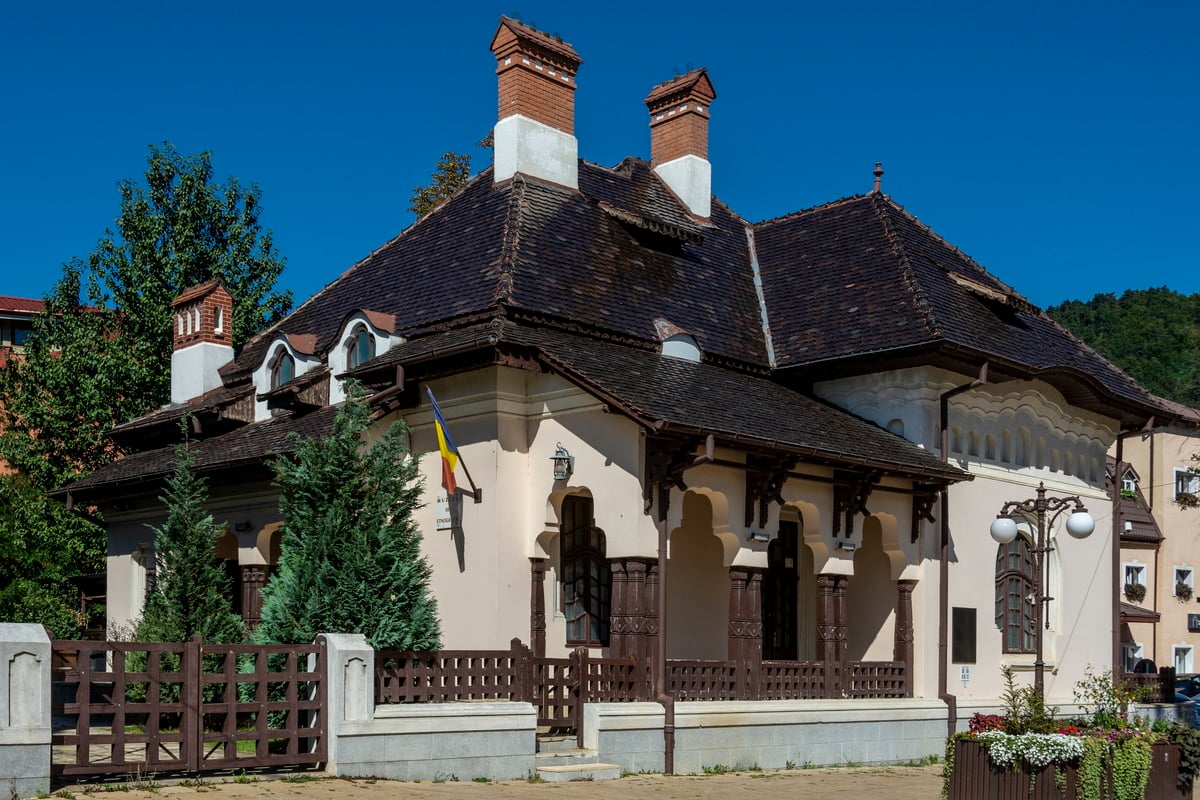
The current building dates from 1924, when it was built as the home of the head of the "Lascăr Catargi" Primary School, to a design by the architect Eugen Albu. It is a remarkable example of the Neo-Romanian style, with details that recall traditional houses.
Neo-Romanian architecture:
- Porches with carved wooden pillars
- Traditional decorative niches
- Elegantly framed windows
- High roof with dormer windows
- Fully restored in 2010–2011
The museum's collection
Key research:
- • Arta populară de pe Valea Bistriței (1969)
- • Etnografia Văii Bistriței (1973)
- • Studies by Romulus Vuia
- • The collection expanded by Dr Elena Florescu
Types of objects:
- • Folk dress and costumes
- • Textiles and rugs
- • Ceramics and pottery
- • Tools and household objects
Opening hours
*Last entry 30 minutes before closing
Prices
Discover folk culture
Include the Ethnography Museum in a cultural tour of the Princely Court, together with the other museums. End your visit with a Telegondola ride for a spectacular view of the Bistrița Valley – the landscape that shaped the region's whole folk culture