
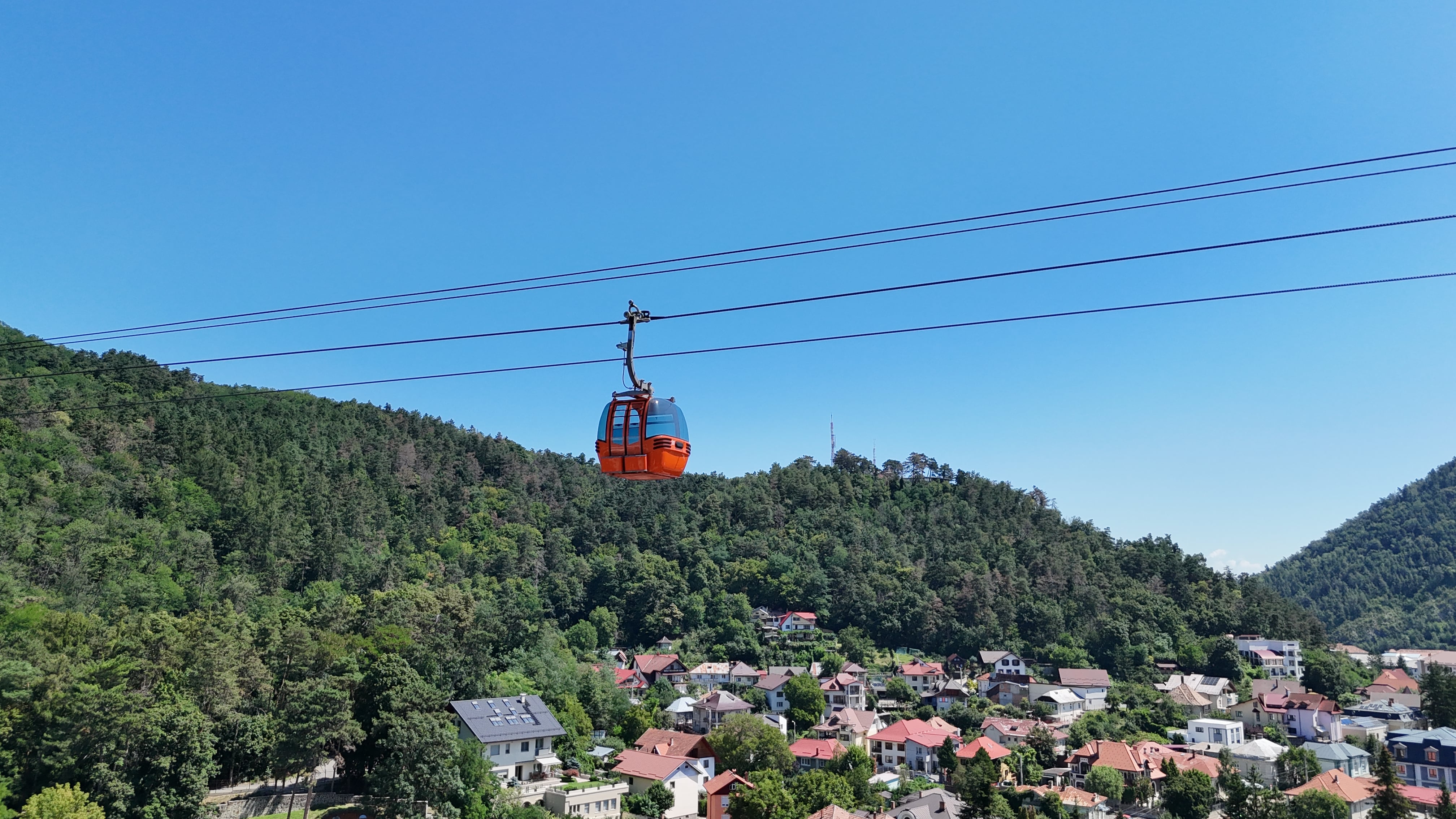
Cozla Mountain
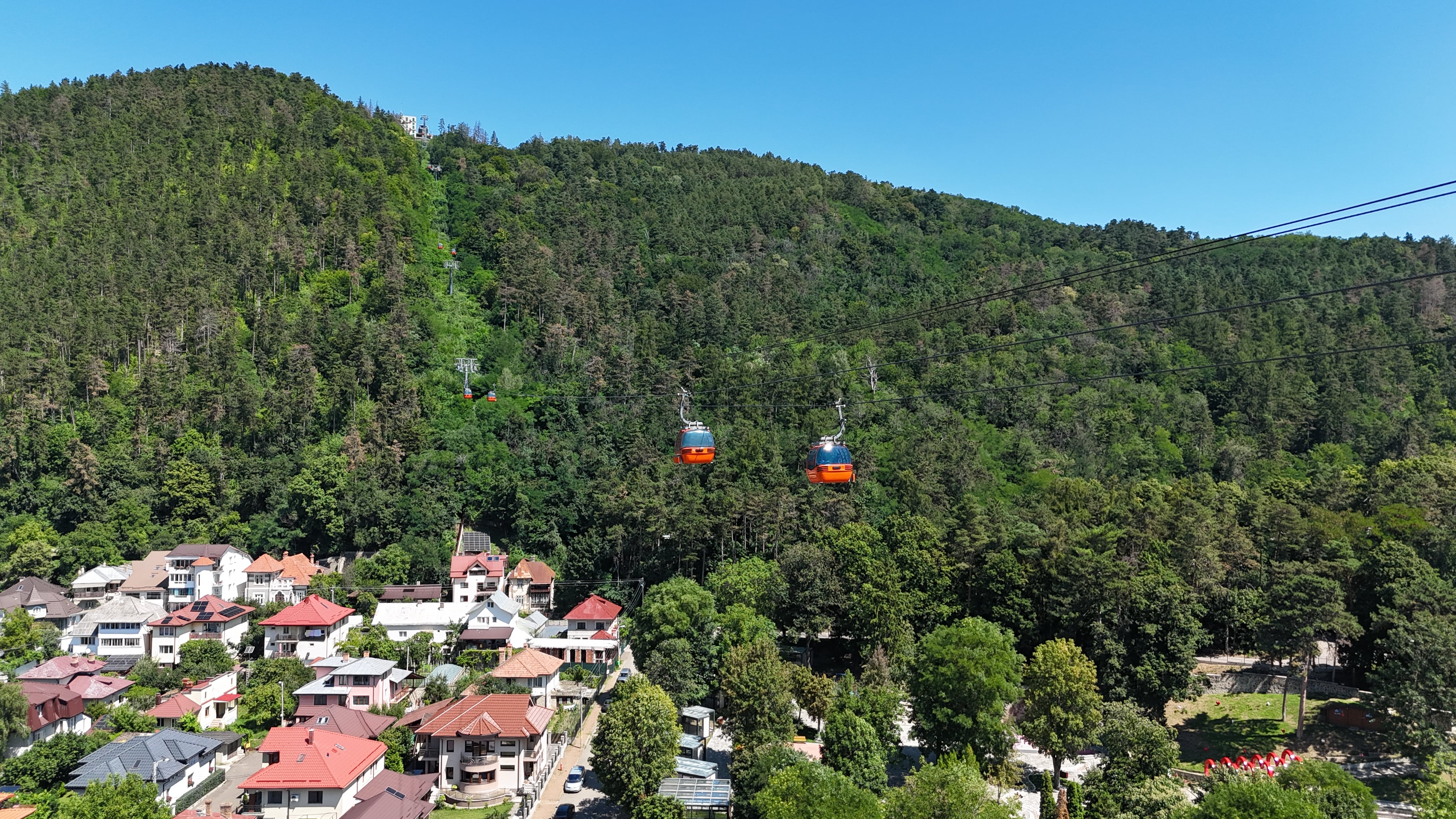
Rising over the northern part of Piatra Neamț, Cozla Mountain is one of the most characteristic natural and cultural places in the area. Part of the Stânișoara Mountains, the last step of the Eastern Carpathians, Cozla offers spectacular views over the city and the whole Bistrița valley.
A look into the past
For centuries the foot of the mountain was home to the old “Târgul Pietrei” market town, where Stephen the Great chose to build the Princely Court. It was also the site of a Cucuteni settlement, the highest known settlement of this culture in Moldavia.
In the late 19th century Cozla became a well-known destination thanks to its mineral springs, praised and awarded at the 1900 Paris World Exhibition.
The great afforestation (1901–1904):
After the natural disaster of 1897, when torrential rain caused massive landslides, mayor Nicu Albu started a large afforestation campaign. Hundreds of people planted firs and pines brought from Sinaia, turning Cozla into the park it is today.
“It was hard, but we defeated nature” – Nicu Albu, 1904
Nature and scientific reserves
The healing springs
Discovered in 1882, the sodium chloride and sulphurous mineral waters turned the city into a spa resort, officially recognised in 1889.
The “Stone Aquarium”
Romania's first Oligocene fossil fish were discovered here between 1883 and 1885. It was declared a palaeontological reserve in 1971.
The Giants' Cauldrons
A unique geological reserve: formations known as “aeolian potholes”, round hollows carved by the wind into hard rock over thousands of years.
Cozla today
Cozla Mountain is the city's main place for leisure and adventure:
Starting point for hikes
Mountain trails and viewpoints
Upper station of the Telegondola
Quick access from the city
Cozla chairlift and ski slope
Open in winter and summer
360° panorama
Views towards Ceahlău and Lake Bâtca Doamnei
“A place where history, science and nature meet in harmony – Cozla Mountain is, without doubt, the green heart of Piatra Neamț.”
Go up Cozla Mountain
Take the cable car and discover the “green heart” of Piatra Neamț